

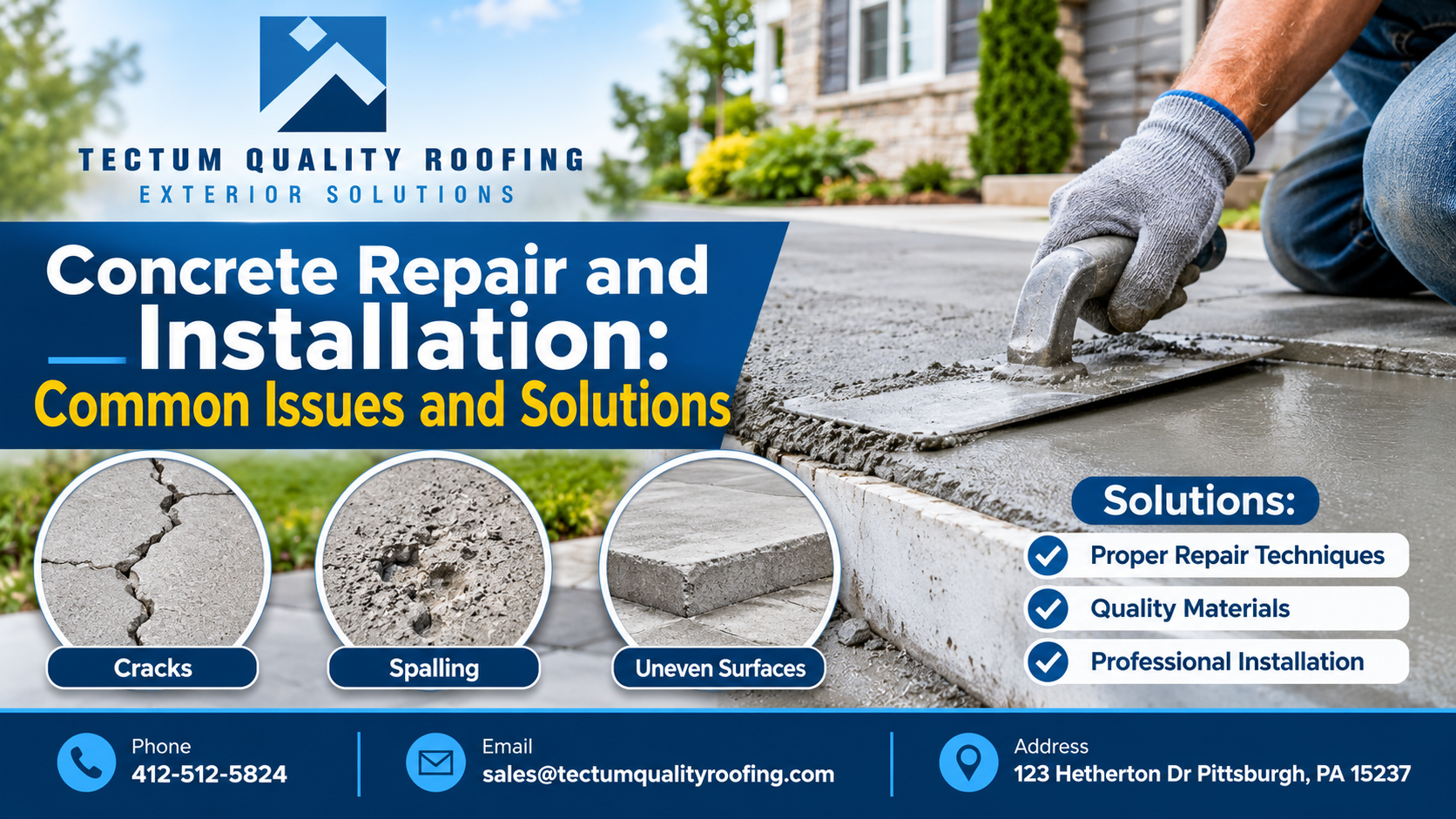
Concrete is one of the most widely used materials for residential and commercial properties. From driveways and sidewalks to patios, steps, and building foundations, concrete provides a strong and practical surface for everyday use. However, even properly installed concrete can develop problems over time due to weather conditions, heavy loads, poor drainage, and regular wear.
Whether you are planning a new concrete project or dealing with damaged surfaces, understanding common problems can help you make better decisions. Professional concrete repair and installation can restore damaged areas, improve property safety, and help prevent more expensive repairs.
For homeowners and commercial property owners, addressing concrete issues early is an important part of maintaining a property’s exterior. Here are some common concrete problems, their causes, and practical solutions.
1. Concrete Cracks and Surface Splitting
Cracks are among the most common problems found in concrete driveways, sidewalks, patios, and other outdoor surfaces. Small cracks may develop naturally as concrete cures, but larger cracks can indicate underlying problems.
Common Causes:
- Improper concrete mixing or installation.
- Temperature changes and repeated freeze-thaw cycles.
- Soil movement beneath the concrete.
- Excessive weight or vehicle traffic.
- Inadequate control joints.
Possible Solutions:
Minor surface cracks can sometimes be repaired using suitable concrete fillers or sealants. However, wider cracks, recurring damage, or cracks associated with uneven surfaces may require professional assessment.
A contractor can determine whether the damage is limited to the surface or related to the underlying base. Addressing the actual cause helps prevent the same problem from returning.
2. Uneven Concrete Surfaces and Settling
Have you noticed sections of your driveway or walkway becoming uneven? Concrete settling can create raised edges, sunken areas, and noticeable changes in surface levels.
This problem often occurs when the soil beneath the concrete shifts, becomes compacted, or loses support.
Uneven concrete is more than an appearance issue. It can create tripping hazards for pedestrians and make outdoor areas difficult to access.
Recommended Solutions:
Depending on the condition of the surface, professional repair may involve concrete leveling, slab lifting, or removing and replacing the damaged section.
Before completing repairs, the underlying soil and drainage conditions should be checked. Simply filling low areas may not provide a lasting solution if the base continues to move.
3. Concrete Spalling and Surface Flaking
Concrete spalling occurs when the surface begins to chip, peel, or break away. It can make driveways, steps, and sidewalks look worn and poorly maintained.
This issue is common in areas exposed to harsh weather, moisture, and repeated freezing and thawing.
Common Causes:
- Water entering the concrete surface.
- Freeze-thaw damage.
- Poor finishing or curing practices.
- Use of excessive deicing chemicals.
- Low-quality concrete materials.
How to Fix It:
Minor spalling may be repaired with suitable concrete resurfacing products after loose material is removed and the surface is prepared.
If the damage is deep or affects a large area, partial or complete replacement may be necessary. A proper inspection helps determine which option is suitable.
4. Water Pooling and Poor Concrete Drainage
Standing water on concrete surfaces can gradually lead to damage and create slippery conditions. It commonly occurs on driveways, patios, sidewalks, and other flat outdoor areas.
Poor grading, incorrect slope, clogged drainage systems, and uneven settling can all contribute to water accumulation.
Practical Solutions:
- Correct the surface slope where possible.
- Repair sunken or uneven sections.
- Keep nearby drains and gutters clear.
- Direct downspouts away from concrete surfaces.
- Consider suitable drainage improvements.
Proper water management is especially important for properties with large concrete driveways or commercial parking areas.
For buildings with nearby roof drainage systems, checking gutters and downspouts can also help prevent water from repeatedly collecting around concrete surfaces.
5. Concrete Discoloration and Staining
Concrete can lose its original appearance due to oil spills, dirt, rust, moisture, and exposure to sunlight. Driveways and commercial concrete floors are particularly vulnerable to stains because of regular vehicle and foot traffic.
While discoloration does not always indicate structural damage, it can make the property look neglected.
Possible Solutions:
The appropriate cleaning method depends on the type of stain and concrete finish. Some surfaces may respond to pressure washing or specialized concrete cleaners. More stubborn stains may require professional treatment.
Applying a suitable concrete sealer after proper preparation can also help reduce moisture absorption and make routine cleaning easier.
6. Poor Concrete Installation and Premature Damage
Not every concrete problem develops after years of use. Some surfaces begin showing damage shortly after installation because of incorrect preparation or poor workmanship.
Common installation mistakes include:
- Inadequate soil preparation and compaction.
- Incorrect concrete mix proportions.
- Insufficient reinforcement where required.
- Poor drainage planning.
- Improper concrete thickness for the intended use.
- Inadequate curing and finishing.
Professional concrete installation starts with evaluating the site, preparing a stable base, selecting suitable materials, and following appropriate installation practices.
For commercial properties, concrete surfaces must also be planned around expected traffic, equipment weight, and daily usage.
How to Know Whether Concrete Needs Repair or Replacement
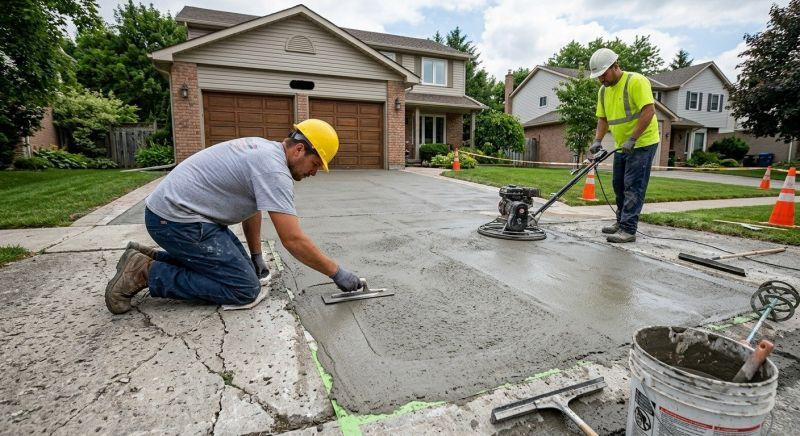
One of the biggest questions property owners face is whether damaged concrete should be repaired or completely replaced.
The answer depends on the severity of the damage, the condition of the underlying base, and the expected use of the surface.
Repair May Be Suitable When:
- Cracks are relatively small and localized.
- Surface damage is limited to a specific area.
- The concrete remains structurally stable.
- Minor cosmetic improvements are needed.
Replacement May Be Necessary When:
- Large sections are severely cracked.
- Concrete has significant sinking or movement.
- The underlying base is unstable.
- Repeated repairs have failed.
- The surface no longer provides safe and reliable use.
A professional inspection can help identify the most practical option for your property and avoid spending money on repairs that will not last.
Proper Licensing, Insurance, and Certifications Matter
Choosing a qualified contractor is essential for successful concrete repair and installation. The quality of materials matters, but proper preparation and workmanship are equally important.
Before hiring a contractor, consider the following:
- Licensing: Verify applicable state and local licensing requirements.
- Insurance: Confirm general liability coverage and workers’ compensation insurance.
- Certifications: Ask about relevant industry qualifications and training.
- Written Estimates: Request a clear breakdown of materials, labor, and project costs.
- Project Details: Discuss preparation methods, installation timelines, and available warranties.
A dependable contractor should explain the proposed work, answer your questions, and recommend solutions based on the actual condition of your concrete.
Prevent Concrete Damage With a Simple Maintenance Routine
Regular maintenance can help extend the useful life of concrete surfaces and reduce the need for major repairs.
Here are a few practical steps property owners can follow:
- Clean driveways, sidewalks, and patios regularly.
- Remove standing water and keep drainage areas clear.
- Seal suitable concrete surfaces when recommended.
- Repair minor cracks before they become larger.
- Avoid using excessive deicing chemicals during winter.
- Schedule inspections when you notice uneven surfaces or significant damage.
For commercial properties, periodic inspections are particularly important because heavy traffic can accelerate surface deterioration.
Conclusion
Concrete problems such as cracking, settling, spalling, staining, and poor drainage can affect your property’s appearance, safety, and functionality. Identifying these issues early and choosing the right repair method can help prevent additional damage and unnecessary expenses.
Whether you need minor surface repairs or a completely new concrete installation, proper site preparation, quality materials, and professional workmanship make a difference.
At Tectum Quality Roofing, we understand the importance of maintaining strong, dependable exterior structures. With more than 25 years of industry experience, our team is committed to providing quality roofing and exterior solutions for residential and commercial property owners.
If your property needs professional attention, contact our team today to discuss your exterior improvement requirements.