

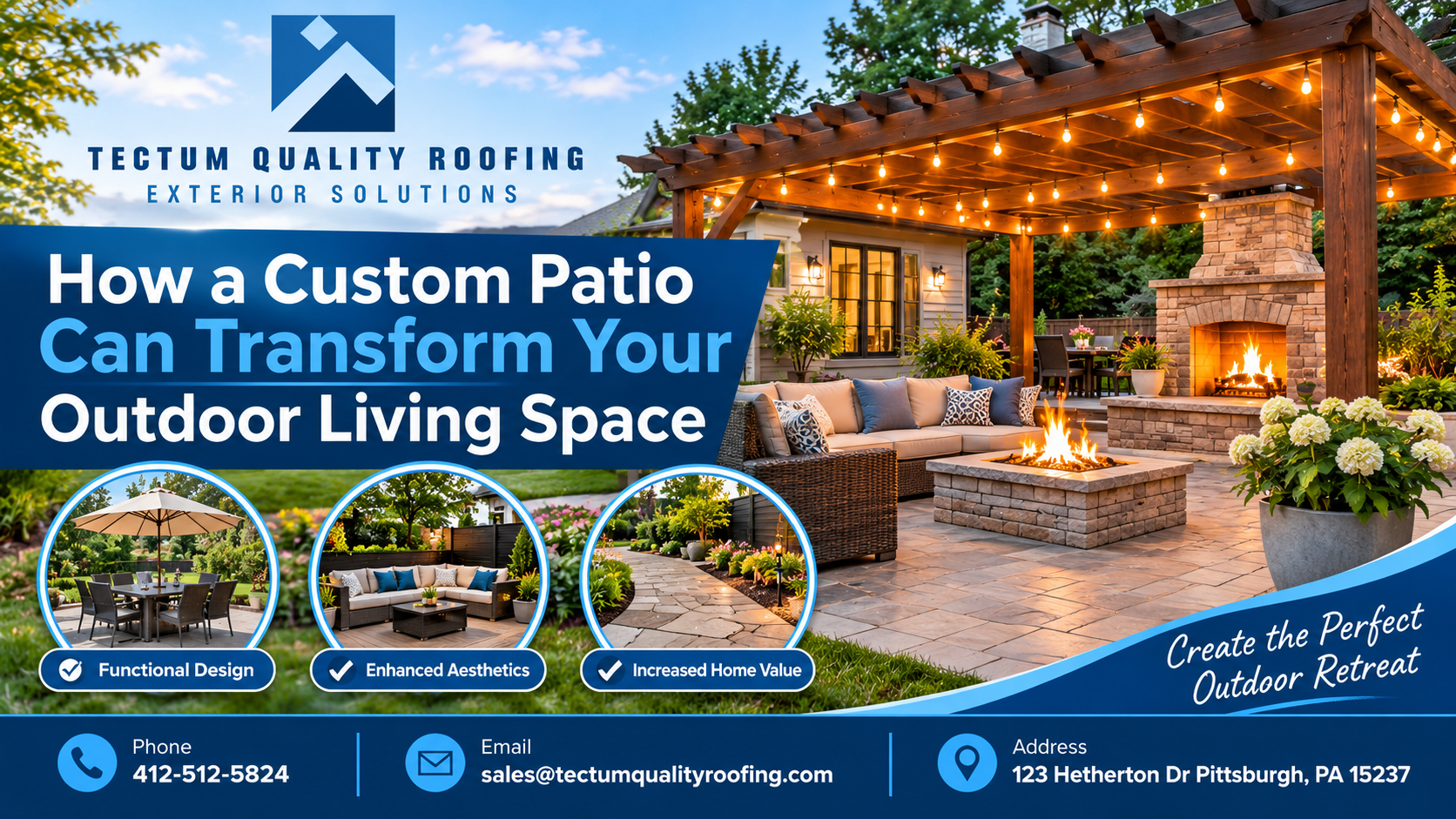
Your outdoor space can be more than just an empty area behind your home or commercial property. With the right design, it can become a comfortable place for family gatherings, outdoor dining, relaxation, and entertaining guests. A well-planned custom patio helps make better use of your available space while improving the overall appearance of your property.
Whether you want a simple seating area, an elegant outdoor entertainment space, or a functional patio for your business, the right improvements can make a noticeable difference. From selecting durable materials to adding lighting and weather protection, every design decision contributes to the final result.
If you are considering upgrading your property’s exterior, here are some ways a custom patio can improve your outdoor living space and add long-term value.
1. Create an Outdoor Space That Matches Your Lifestyle
One of the biggest advantages of a custom patio is the ability to design it around your specific needs. Unlike standard patio layouts, a customized design allows you to choose the size, shape, materials, and features that work best for your property.
For homeowners, a patio can provide a comfortable place for morning coffee, weekend barbecues, family dinners, or relaxing after a busy day.
Commercial property owners can also benefit from outdoor spaces. Restaurants, hotels, and other businesses may use patios to create additional seating areas and improve the customer environment.
Before starting construction, think about how you plan to use the space. This will help determine the layout, seating arrangements, and additional features required.
2. Choose Patio Materials That Offer Durability and Style
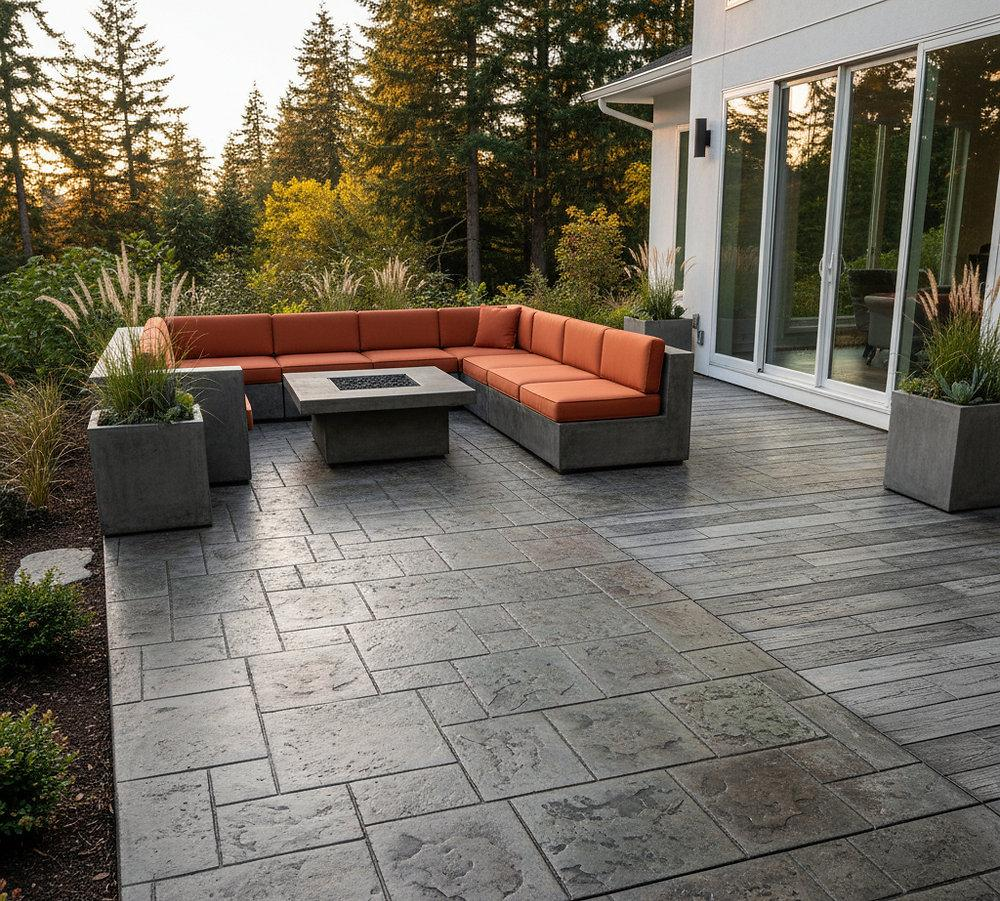
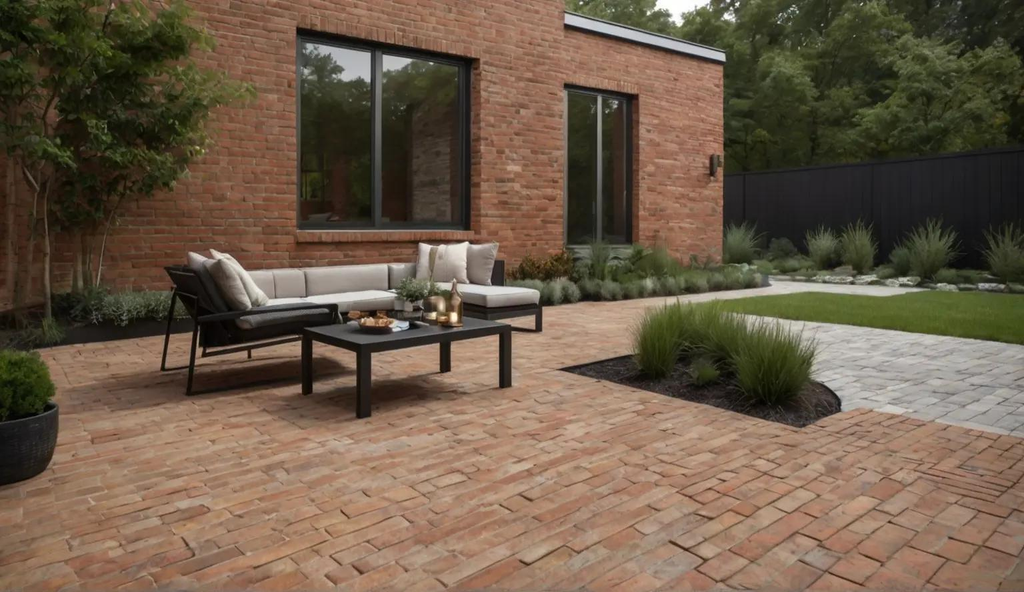
Material selection plays an important role in the appearance, maintenance, and durability of your patio. The right option should complement your property while meeting your budget and practical requirements.
Here are some popular patio materials:
- Concrete Patios: Concrete is a practical option for homeowners looking for a durable and versatile surface. It can be finished in different colors, patterns, and textures to match various exterior styles.
- Paver Patios: Concrete pavers are available in different shapes, sizes, and colors. They can create attractive patterns and offer flexibility when designing outdoor spaces.
- Natural Stone Patios: Natural stone provides a distinctive appearance that works well with traditional and modern properties. Options such as flagstone and slate can give your patio an elegant finish.
- Brick Patios: Brick offers a classic appearance and can complement many home designs. It is suitable for creating traditional outdoor seating and walking areas.
- When comparing materials, consider installation costs, weather conditions, maintenance requirements, and how the patio will be used.
3. Add a Covered Patio for Year-Round Comfort
A patio without proper shade or weather protection may become less comfortable during hot summer days or rainy weather. Adding a covered structure can make your outdoor space more functional throughout the year.
Some popular options include:
- Pergolas: Provide partial shade and create an attractive architectural feature.
- Patio Covers: Offer protection from direct sunlight and light rain.
- Roof Extensions: Connect the outdoor area with the existing home structure.
- Retractable Awnings: Allow you to adjust shade according to weather conditions.
Covered patios are particularly useful for properties where outdoor seating and entertaining are regular activities.
When adding a roof extension or attaching a patio cover to your building, proper structural support, flashing, and drainage are essential. Professional installation helps reduce the risk of water intrusion and damage to nearby roofing components.
4. Improve Functionality With Outdoor Features
A custom patio should be comfortable, practical, and visually appealing. Adding the right features can make the space more useful without making the design feel crowded.
Consider these additions:
- Comfortable outdoor furniture for seating and relaxation.
- Built-in fire pits for cooler evenings.
- Outdoor kitchens or barbecue stations.
- Decorative lighting for nighttime use.
- Planters and landscaping for a natural appearance.
- Privacy screens for more comfortable gatherings.
For commercial properties, outdoor lighting, organized seating, and attractive walkways can help create a welcoming environment for customers.
The key is to select features that suit the available space rather than adding too many elements.
5. Use Smart Patio Design to Improve Property Appeal
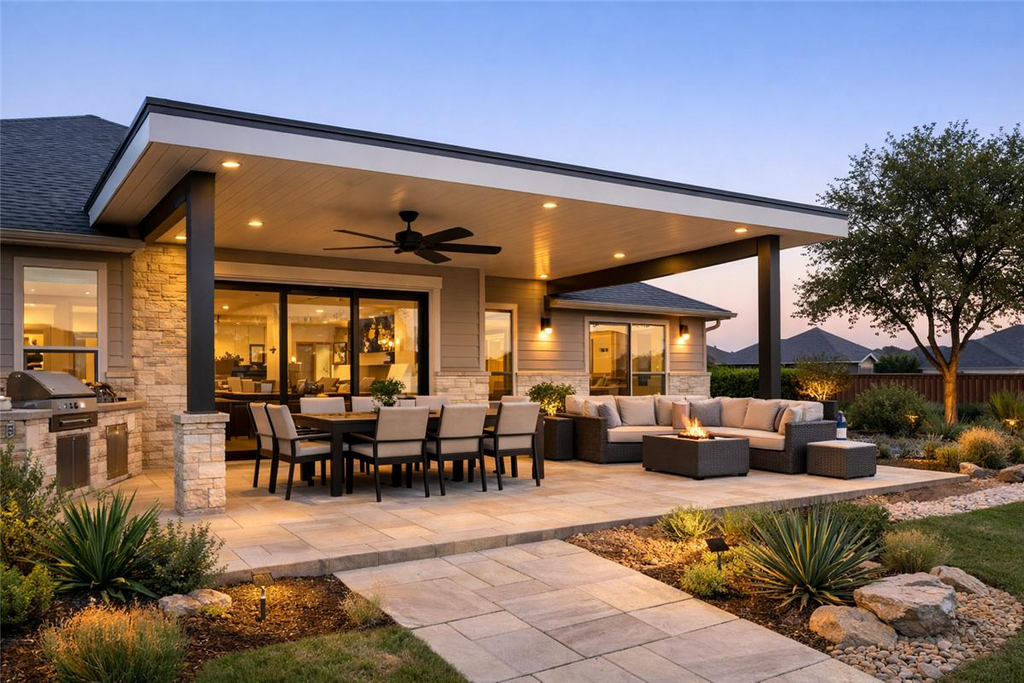
Your patio should look like a natural extension of your property. A design that complements the building’s exterior creates a more consistent and attractive appearance.
For example, you can coordinate patio flooring with exterior colors, match a patio cover with the existing roof design, or use similar finishes for railings and trim.
Lighting also makes a difference. Wall-mounted fixtures, pathway lights, and soft overhead lighting can improve visibility while creating a comfortable atmosphere.
For businesses, a professionally designed patio can help create a positive first impression and make outdoor areas more inviting.
A thoughtful design can also make your property more appealing to potential buyers, although the actual impact on resale value depends on the local market, property condition, and quality of construction.
6. Plan for Proper Drainage and Weather Protection
One of the most important parts of patio construction is managing rainwater. Poor drainage can cause standing water, surface damage, soil erosion, and moisture problems near your property’s foundation.
Before construction begins, consider the following:
- Ensure the patio has an appropriate slope for water runoff.
- Direct downspouts away from the patio and foundation.
- Avoid blocking existing drainage systems.
- Use suitable materials for local weather conditions.
- Inspect nearby roofing and gutter systems.
- Make sure covered patio structures have proper water management.
If your patio connects directly to your home or commercial building, the connection point deserves special attention. Incorrectly installed flashing or poorly planned roof drainage can allow water to enter the building.
Addressing these details during construction can help prevent expensive repairs later.
7. Keep Your Custom Patio Looking Its Best
Regular maintenance helps preserve the appearance and condition of your outdoor space.
The maintenance routine will depend on the materials used, but some basic steps can make a difference:
- Clean the Surface: Remove dirt, leaves, and debris to prevent stains and unwanted buildup.
- Check for Cracks: Inspect concrete surfaces and repair minor damage before it becomes more serious.
- Maintain Pavers: Check for loose pavers, uneven surfaces, and missing joint sand.
- Inspect Covered Structures: Look for damaged roof panels, loose fasteners, and signs of moisture around connections.
- Maintain Gutters: Keep nearby gutters and downspouts clear so rainwater flows away from the patio.
Seasonal inspections are especially useful after heavy rain, strong winds, or winter weather.
Why Proper Licensing, Insurance, and Certifications Matter
Choosing the right contractor is essential when planning a custom patio or other exterior improvement. Quality materials alone cannot guarantee a successful project. Proper installation and attention to structural details are equally important.
Before hiring a contractor, consider these factors:
- Licensing: Verify applicable state and local licensing requirements.
- Insurance: Confirm general liability insurance and workers’ compensation coverage.
- Certifications: Ask about relevant industry qualifications and manufacturer certifications.
- Permits: Check whether your patio design requires permits or building inspections.
- Written Estimates: Request a detailed breakdown of materials, labor, project scope, and costs.
A reliable contractor should explain the proposed work, discuss potential challenges, and provide clear answers to your questions.
Connect Your Patio Design With Your Property’s Exterior
A patio should not feel like a separate addition to your building. Its design should work with the roofline, siding, gutters, exterior walls, and surrounding landscape.
For example, a covered patio may require adjustments to roof drainage, flashing, or the existing gutter system. Coordinating these elements before construction helps maintain a consistent appearance while protecting the building from moisture-related problems.
This is particularly important for older properties where existing roofing and exterior components may need attention before adding a new outdoor structure.
Conclusion
A custom patio can make your property more comfortable, attractive, and functional. Whether you prefer a simple concrete seating area or a covered outdoor entertainment space, the right materials and design can help create an area that suits your lifestyle or business needs.
From patio flooring and lighting to drainage and weather protection, careful planning is essential for long-lasting results.
At Tectum Quality Roofing, we understand the importance of quality workmanship and dependable exterior solutions. With more than 25 years of industry experience, we are committed to helping homeowners and commercial property owners maintain and protect their properties.
If you are planning an exterior improvement project, contact our team to discuss your roofing and exterior needs.
Contact Tectum Quality Roofing Today!