

A well-designed deck can make your property more attractive while providing additional space for outdoor activities, family gatherings, and relaxation. Whether you want a comfortable backyard seating area or a larger outdoor space for entertaining guests, building a new deck can be a valuable home improvement project.
However, successful deck construction involves more than choosing a design and installing boards. Material selection, structural planning, weather protection, and regular maintenance all play an important role in creating a deck that lasts.
If you are planning to build a new deck, understanding the available materials, design options, and maintenance requirements can help you make the right decisions. Here are some important things to consider before starting your project.
1. Choose the Right Material for Your Deck
The material you select affects your deck’s appearance, durability, maintenance requirements, and overall project cost. Different materials offer different advantages, so consider your budget and how you plan to use the space.
- Pressure-Treated Wood
Pressure-treated wood is a popular choice for residential deck construction because it is widely available and budget-friendly. It is treated to help protect against insects and moisture damage. However, it requires regular cleaning, sealing, and staining to maintain its condition.
- Cedar and Redwood
Cedar and redwood offer natural colors and attractive wood grain patterns. These materials can create a warm, traditional appearance that complements many home styles. Regular maintenance is still necessary to protect them from weather exposure and fading.
- Composite Decking
Composite decking is made using a combination of wood fibers and recycled plastics. It is available in different colors and finishes and generally requires less maintenance than traditional wood. It may have a higher initial cost, but many property owners appreciate its long-term convenience.
- PVC Decking
PVC decking is made primarily from synthetic materials and is designed to resist moisture, insects, and rot. It is another option for homeowners who prefer a low-maintenance outdoor surface.
Before selecting a material, compare installation costs, maintenance needs, appearance, and expected lifespan.
2. Select a Deck Design That Fits Your Property
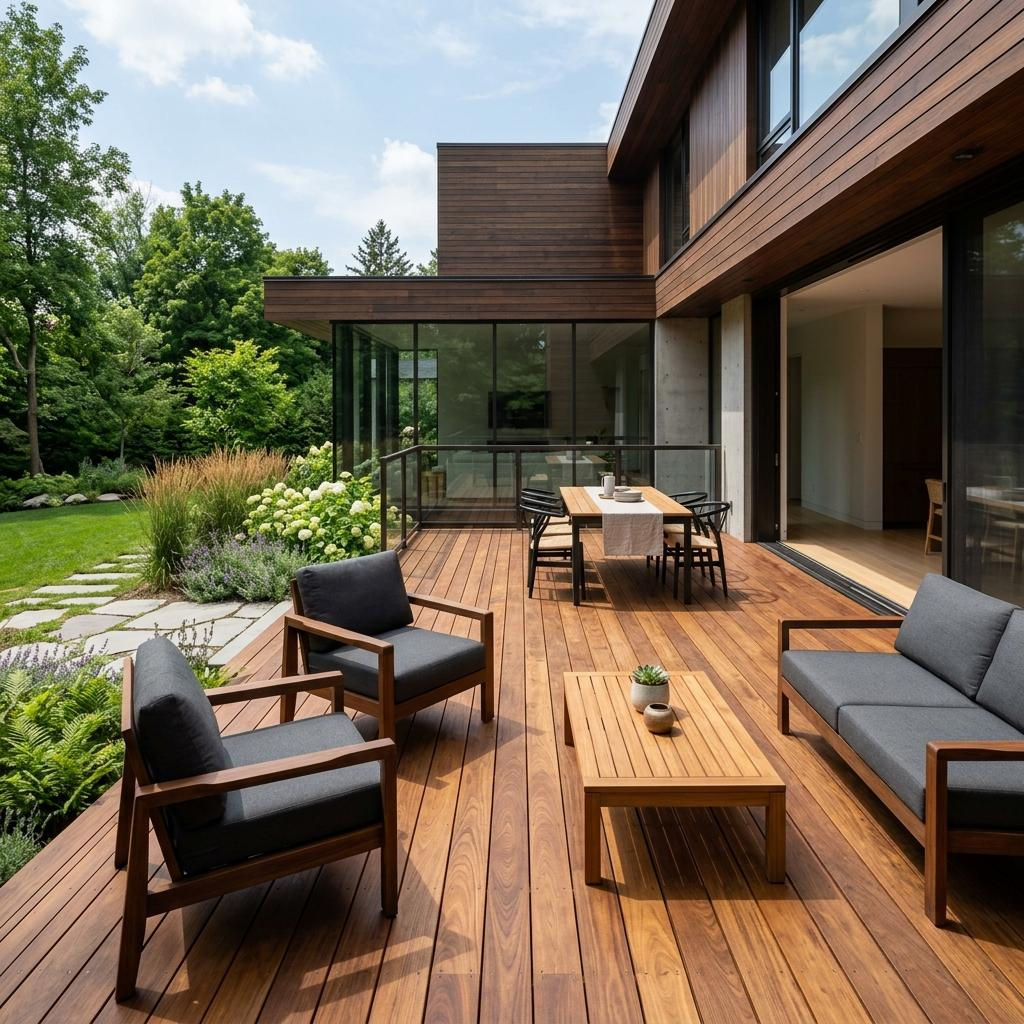
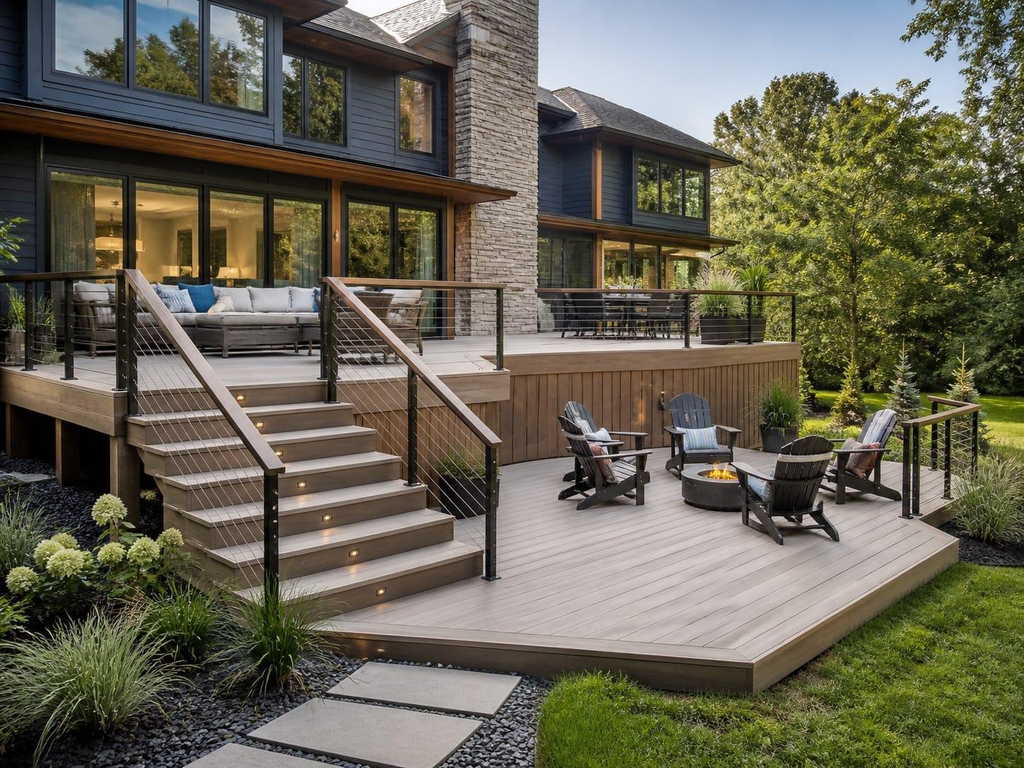
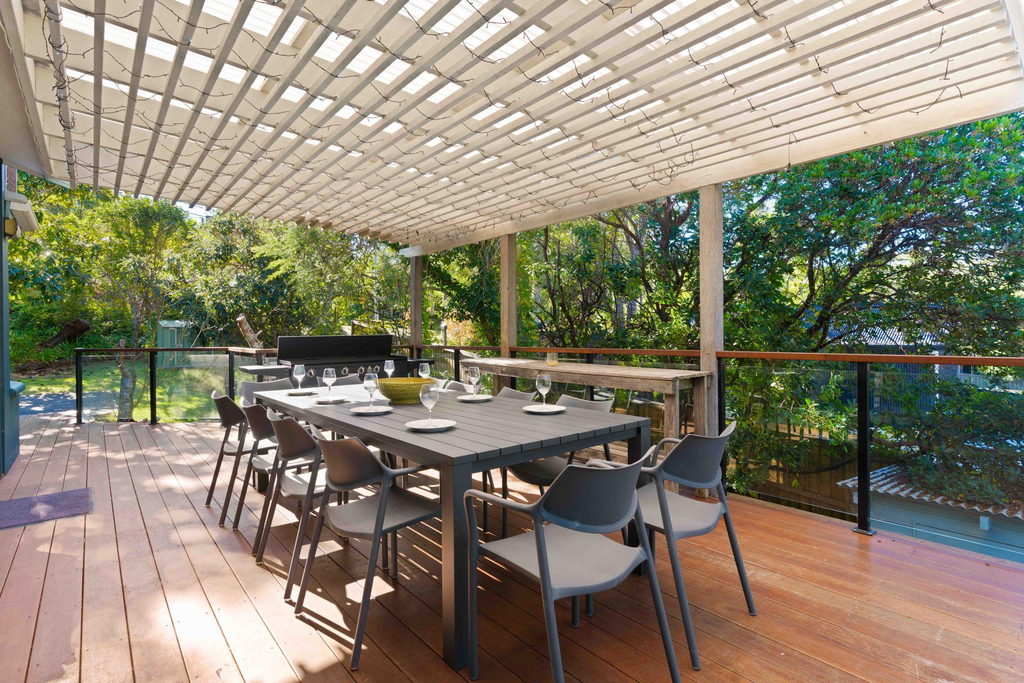
Your deck should complement your property’s architecture while providing enough space for your intended activities. A good design makes the outdoor area more functional and visually appealing.
Here are a few popular deck design ideas:
- Ground-Level Decks: Ideal for properties with accessible backyards and minimal elevation changes.
- Raised Decks: Suitable for homes with elevated entrances or sloping yards.
- Multi-Level Decks: Provide separate areas for dining, seating, and outdoor activities.
- Covered Decks: Offer additional shade and protection from direct sunlight and light rain.
- Wraparound Decks: Extend outdoor living space along multiple sides of a home.
Think about how many people will regularly use the deck and whether you need space for furniture, grills, outdoor dining, or storage.
3. Focus on Structural Strength and Safety
A deck may look attractive, but its structural strength is what makes it safe and dependable. Proper planning is essential before installation begins.
The foundation, support posts, beams, joists, and connections must be suitable for the deck’s size and expected load.
Important construction details include:
- Properly installed footings and support posts.
- Correct spacing between joists and decking boards.
- Secure railings and stair connections.
- Appropriate fasteners for the selected materials.
- Proper drainage and ventilation beneath the deck.
If your deck is attached to your home, the connection area also deserves special attention. Poorly installed flashing or inadequate moisture protection can allow water to reach the house structure and contribute to wood rot.
Working with qualified professionals helps ensure that these details are addressed before they become expensive problems.
4. Add Features That Make Your Deck More Functional
A deck should offer more than additional outdoor flooring. Small design additions can make the space more comfortable and useful throughout the year.
Consider including:
- Built-in benches for convenient seating.
- Outdoor lighting for evening use.
- Pergolas for shade and visual appeal.
- Weather-resistant storage solutions.
- Wide steps for easier access.
- Designated areas for outdoor dining and relaxation.
You can also coordinate the deck’s colors and finishes with your home’s siding, roof, trim, and exterior paint. This creates a consistent appearance and makes the entire property look more polished.
5. Protect Your Deck With Regular Maintenance
Even high-quality decking materials need proper care. Sunlight, rain, temperature changes, and everyday use can gradually affect the deck’s condition.
A simple maintenance routine can help prevent minor problems from becoming major repairs.
Clean the Surface Regularly: Remove leaves, dirt, food spills, and other debris. Use cleaning products recommended for your decking material.
Inspect for Damage: Look for loose boards, cracked wood, rusted fasteners, and damaged railings.
Check for Moisture Problems: Pay attention to areas where water collects or drainage is restricted.
Seal and Stain Wood Decks: Traditional wood decking may require periodic sealing or staining to help protect against moisture and UV exposure.
Maintain the Surrounding Area: Keep plants, soil, and debris from blocking airflow beneath the deck.
Regular inspections are especially useful after severe weather, as strong winds and heavy rain can loosen components or expose existing damage.
6. How to Plan Your Deck Construction Budget
Before starting construction, establish a realistic budget that accounts for more than the decking materials.
Your overall project cost may include:
- Material purchase and delivery.
- Site preparation and ground leveling.
- Footings, framing, and structural supports.
- Labor and installation.
- Railings, stairs, and lighting.
- Permits and required inspections.
- Future maintenance expenses.
The size of the deck, material selection, design complexity, and property conditions can all affect the final price.
Requesting a detailed written estimate helps you understand what is included in the project and reduces the possibility of unexpected expenses.
Proper Licensing, Insurance, and Certifications Matter
Choosing a qualified contractor is one of the most important decisions when planning a new deck. Professional installation can help protect your investment and reduce the risk of structural problems.
Before hiring a contractor, consider these points:
- Licensing: Check applicable state and local licensing requirements.
- Insurance: Verify general liability insurance and workers’ compensation coverage.
- Certifications: Ask about relevant industry qualifications and manufacturer training.
- Permits: Confirm whether your project requires building permits and inspections.
- Written Agreement: Request clear information about materials, labor, project timelines, and warranties.
A trustworthy contractor should explain the construction process, answer your questions, and provide recommendations based on your property’s requirements.
Make Your Outdoor Space Ready for Every Season
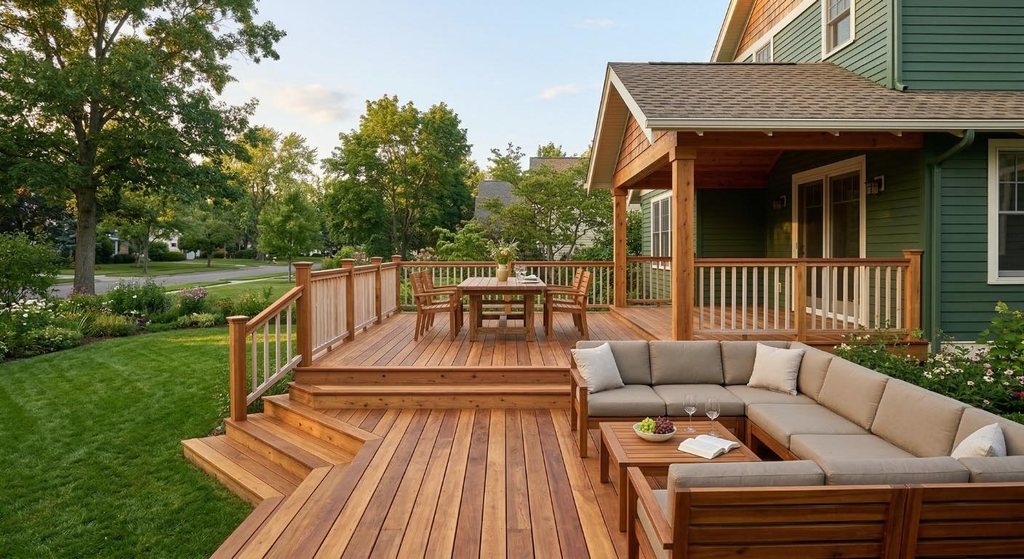
One important part of deck planning is preparing the structure for changing weather conditions. Seasonal temperature changes, rainfall, and direct sunlight can affect decking materials over time.
For properties in areas with cold winters and warm summers, selecting suitable materials and planning proper drainage are especially important.
Make sure water can move away from the structure, framing components have adequate ventilation, and exposed wood receives appropriate protection. If the deck connects to your house, inspect the roof drainage and flashing near the connection point.
These preventive steps can help maintain the deck’s condition and protect nearby exterior structures.
Conclusion
Building a new deck is an excellent way to improve your property’s outdoor functionality and appearance. The right materials, thoughtful design, strong structural support, and regular maintenance all contribute to a successful project.
Whether you prefer a traditional wood deck or a modern composite design, careful planning can help you create an outdoor space that meets your needs and complements your property.
At Tectum Quality Roofing, we believe quality workmanship and proper exterior care are essential for protecting your property. With more than 25 years of industry experience, we are committed to providing dependable roofing and exterior solutions for residential and commercial property owners.
Planning an exterior improvement project? Contact Tectum Quality Roofing today to discuss your property’s needs.