

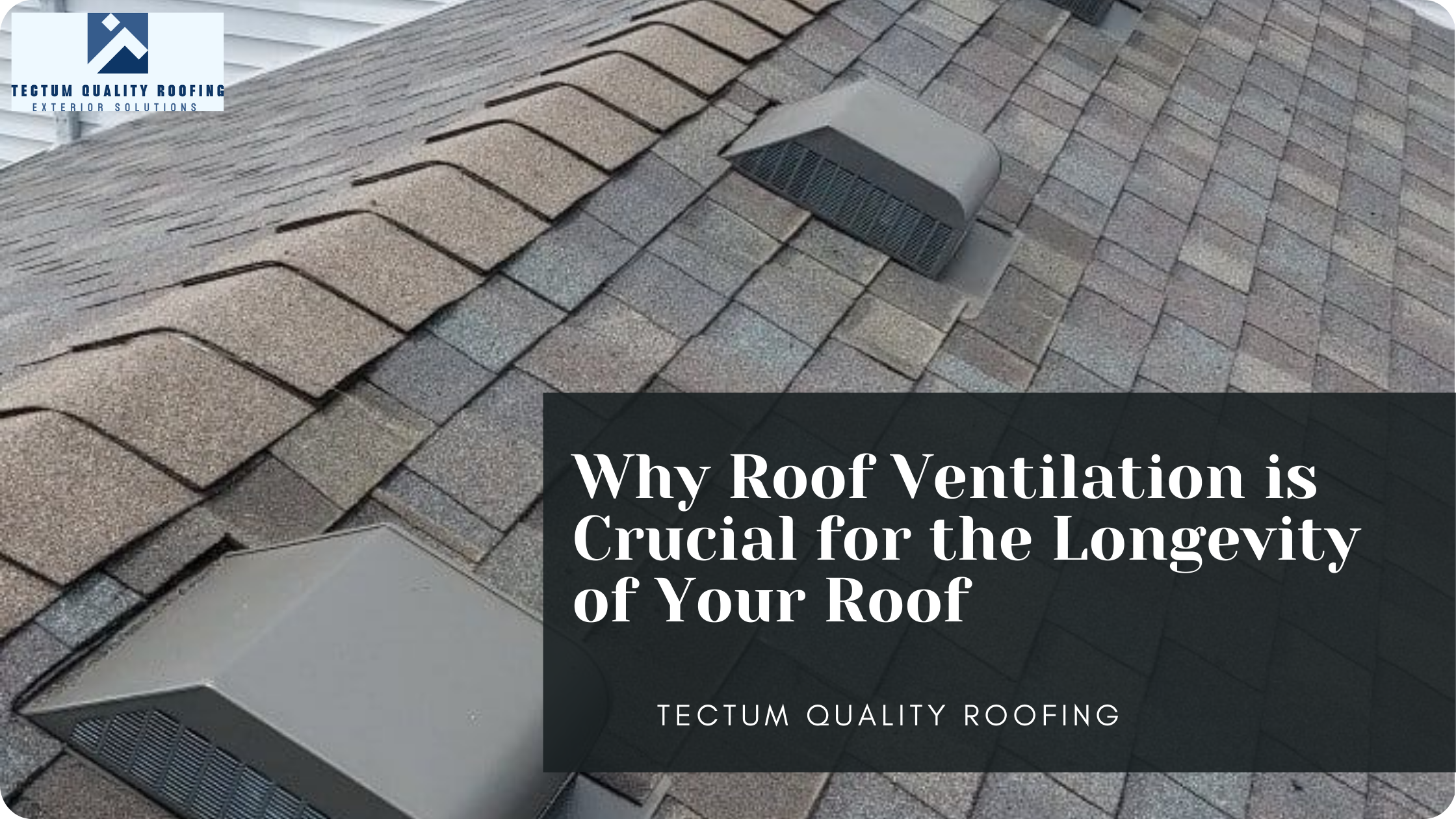
Why Roof Ventilation is Crucial for the Longevity of Your Roof
When it comes to maintaining the health of your home, most homeowners immediately think about routine maintenance tasks like inspecting gutters, checking the foundation, or looking at the exterior of their property. However, one critical component that often gets overlooked is roof ventilation. Roof ventilation installation is an essential step in ensuring the long-term durability and efficiency of your roofing system.
Many people don’t realize that proper roof ventilation is just as important as choosing the right shingles or ensuring your roof is free from leaks. Without it, your roof can suffer from a variety of issues that shorten its lifespan and lead to costly repairs. So, why is roof ventilation so crucial? Let’s dive into the details.
What Is Roof Ventilation?
Before we can discuss its importance, it’s helpful to understand exactly what roof ventilation is. Roof ventilation refers to the systems and mechanisms that allow air to circulate through your attic or roof space. This process helps to balance the temperature and humidity levels within your attic and roof structure.
There are two main types of roof ventilation:
- Intake vents: These are located at the lower part of the roof, typically in the soffit areas, and allow cool, fresh air to enter the attic space.
- Exhaust vents: These are installed at the highest point of your roof, typically near the ridge, and allow warm, humid air to exit.
The goal of this balanced ventilation system is to keep the attic well-ventilated, reducing the buildup of heat and moisture that can cause damage to your roof.
Read- Benefits of Requesting a Free Estimate Roof Replacement
Why Is Roof Ventilation Installation So Important?
Roof ventilation installation is important for several reasons. It plays a significant role in the overall health of your roof, your home’s energy efficiency, and even your indoor air quality. Let’s explore these factors in more detail:
1. Prevents Heat Buildup in the Attic
In the summer, attics can become unbearably hot, with temperatures soaring well above the outdoor air temperature. Without proper roof ventilation, this heat can get trapped in the attic, causing your roof materials to degrade prematurely. The heat buildup can lead to the following issues:
- Shingle Damage: Excessive heat can cause roofing shingles to dry out, crack, and lose their protective granules. This can shorten the lifespan of your roof.
- Warping: Roofing materials, including wood, can warp or crack due to prolonged exposure to high temperatures.
- Increased Cooling Costs: If your attic is too hot, it can make the rest of your home hotter, forcing your air conditioning system to work harder, which can significantly increase your energy bills.
Proper roof ventilation installation helps to remove the trapped heat and maintain a more consistent temperature inside your attic. By preventing heat buildup, you protect the integrity of your roofing materials and make your home more energy-efficient.
2. Reduces Moisture Buildup
Moisture is another major enemy of roofing systems. When warm, moist air becomes trapped in your attic, it can lead to a variety of problems, including:
- Mold and Mildew Growth: Moist environments are the perfect breeding grounds for mold and mildew, which can spread throughout your attic and into the rest of your home.
- Wood Rot: Prolonged exposure to moisture can cause wooden roofing materials and structural supports to rot. This weakens your roof’s overall stability and can lead to costly repairs or even roof failure.
- Insulation Damage: Excess moisture can also damage the insulation in your attic, reducing its effectiveness and increasing your energy consumption.
Roof ventilation installation allows moisture-laden air to escape, preventing the buildup of humidity in your attic. This is particularly important in areas with high humidity or in colder climates where snow and ice can melt and turn into water vapor.
3. Prolongs the Life of Your Roof
Your roof is one of the most expensive components of your home. Replacing or repairing a roof is a significant investment, and proper roof ventilation installation is one of the best ways to extend its lifespan. By allowing air to flow freely through the attic, you can prevent the various issues mentioned above that contribute to roof deterioration. Without ventilation, your roof may only last a fraction of its expected lifespan.
Proper ventilation helps maintain a balanced temperature and humidity level within your attic. This balance minimizes the wear and tear on your roofing materials, preventing premature degradation and ensuring that your roof can serve its purpose for years to come.
4. Prevents Ice Dams in Winter
In colder climates, the buildup of heat in your attic can lead to the formation of ice dams. Ice dams occur when warm air from the attic melts the snow on the roof. The melted snow then runs down the roof and refreezes at the eaves, creating a barrier of ice. This ice dam can trap water underneath it, which can seep into your home, causing water damage to your ceilings, walls, and insulation.
Roof ventilation installation is key to preventing ice dams. By keeping your attic temperature lower and more consistent, the snow on your roof will melt evenly, preventing the formation of ice dams and protecting your home from potential water damage.
5. Improves Energy Efficiency
Proper attic ventilation doesn’t just protect your roof; it can also improve your home’s energy efficiency. During hot summer months, a well-ventilated attic helps to keep your home cooler by reducing the amount of heat that builds up inside the attic. This means your air conditioning system doesn’t have to work as hard to cool your home, which can lower your energy bills.
In the winter, effective roof ventilation installation helps to reduce the buildup of heat in the attic. This can help to maintain a more consistent temperature inside your home, reducing the need for additional heating and making your home more energy-efficient year-round.
6. Protects Against Pests
A poorly ventilated attic can also attract pests such as rodents, insects, and birds. These pests are often drawn to warm, moist environments. They can make nests in your attic, chew on your insulation, and even damage your roof materials. By ensuring that your attic is properly ventilated, you make it a less inviting place for these unwanted guests.
How to Ensure Proper Roof Ventilation Installation
Now that you understand the importance of roof ventilation, it’s time to consider how to go about the installation. The process can vary depending on the size and design of your roof, but it generally involves:
- Assessing the Existing Ventilation: A roofing professional will assess the current state of your roof and attic to determine if the ventilation system is sufficient or if upgrades are needed.
- Choosing the Right Vents: Depending on the size of your roof and attic, different types of vents may be required. This could include ridge vents, soffit vents, gable vents, or turbine vents.
- Installing the Vents: The vents are strategically placed to ensure balanced airflow. Proper placement ensures that cool air enters through the intake vents and warm air exits through the exhaust vents.
- Regular Maintenance: Even with the best ventilation system in place, it’s important to check the vents regularly for blockages, debris, or damage. Regular cleaning and maintenance will ensure that your ventilation system continues to work effectively.
Conclusion
Roof ventilation installation is an essential part of roof maintenance that many homeowners overlook. Proper ventilation can prevent heat buildup, moisture damage, and premature aging of your roof, all of which contribute to a longer-lasting roofing system. By ensuring your attic is well-ventilated, you’re not only protecting your roof but also improving your home’s energy efficiency and indoor air quality.
If you’re unsure whether your home’s roof is properly ventilated, it’s a good idea to consult with a professional roofing contractor. They can assess your current ventilation system and recommend the necessary improvements to help protect your investment for years to come.
Remember, investing in roof ventilation today can save you significant costs in repairs and replacements down the line, making it an essential aspect of home maintenance.